Multifamily
Racine Multifamily
Racine, Wisconsin
Residential assets held long-term and run as an operating business, not as passive holdings.
Overview
The project at a glance
What it is
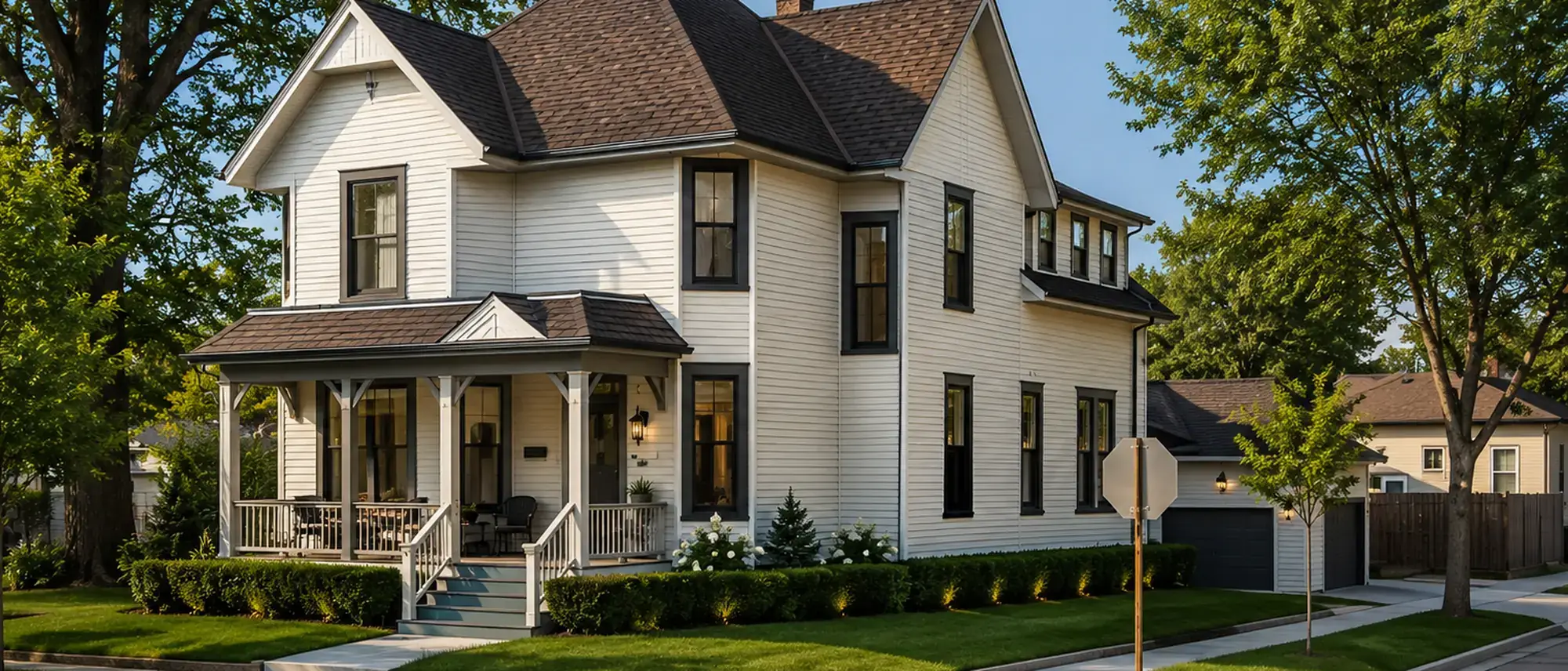
Racine residential buildings held as long-term assets. Well located, structurally sound, and typically carrying years of deferred cosmetic work at acquisition.
Why it mattered
Small-market rental housing is a business of small margins repeated across many decisions. The returns come from how the asset is operated over a decade, not from how it was bought.
Our role
ConceptOne owns and directs these assets directly. Property management is engaged and held to a standard — measured on the same metrics regardless of who performs the work.
The opportunity
What we saw that others did not price
What we identified
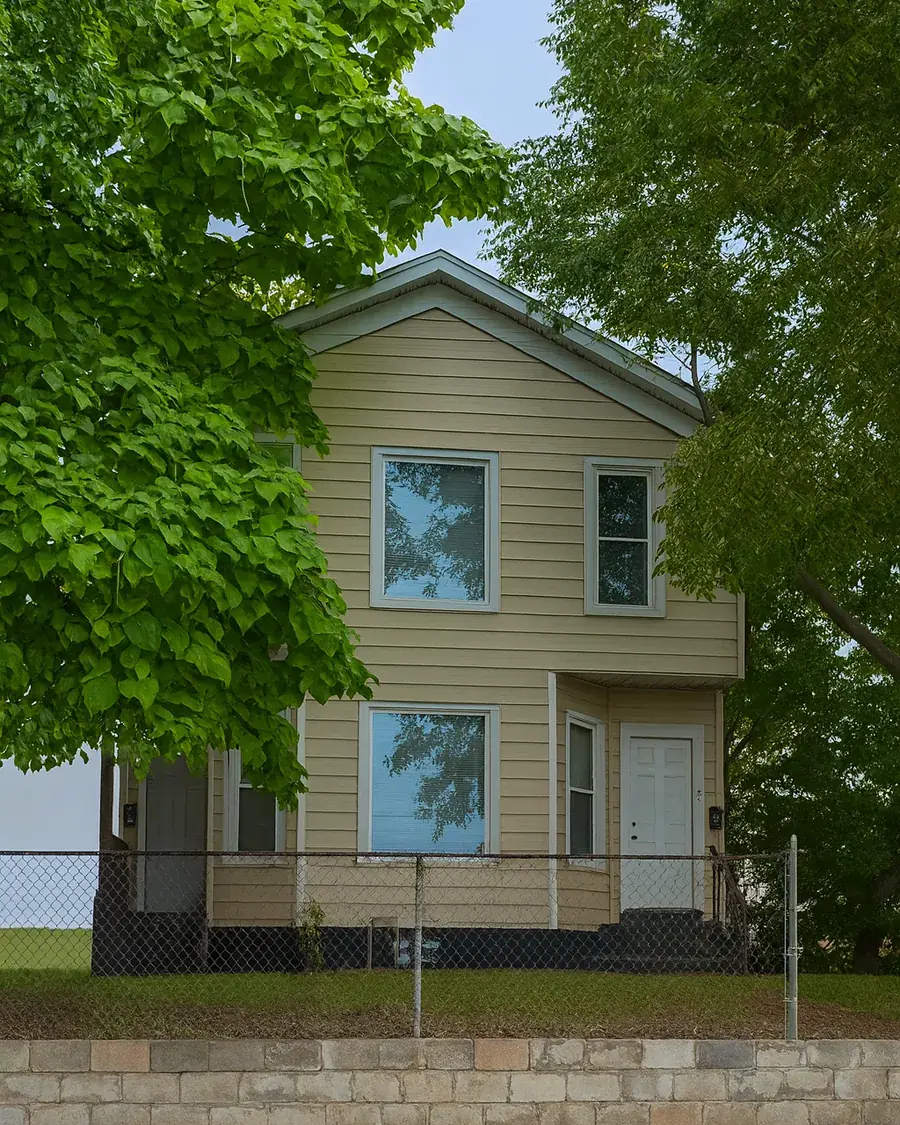
Buildings where condition had drifted well behind the location. Strong streets, sound structures, and interiors that had not been touched in years.
Why it was attractive
The purchase economics of a tired building in a good location are more forgiving than those of a renovated building on a weaker street. Improvement is within ConceptOne's control; location is not.
Investment thesis
Buy buildings that are physically behind but well placed, renovate unit by unit as they turn, and hold. Rents rise because the product improves, not because the market is asked to carry it.
Execution
How the work was carried out
Renovation happens unit by unit, as leases turn. Nothing is taken offline speculatively, and no improvement is made that the rent does not pay for.
Acquisition
Buildings underwritten on conservative rent assumptions and a realistic capital budget. Condition, not optimism, sets the price.
Renovation
Unit-by-unit improvements scheduled around turnover — kitchens, baths, flooring and lighting — so that the asset keeps producing throughout.
Leasing
Turned units are leased at the rent the improved product supports, with a preference for longer tenancies over headline rent.
Management oversight
Property management is directed rather than delegated: how units are leased, how maintenance is triaged, and how arrears are handled are all set by ConceptOne and reviewed against results.
Stabilization and long-term management
Once a building is stabilized — renovated units, stable occupancy, predictable expenses — it is held and maintained on a capital plan rather than run to the edge.
Gallery
Gallery
Timeline
Where the asset stands
- Complete
Acquisition
Buildings acquired with a defined capital budget and conservative rent assumptions.
- Ongoing
Renovation
Unit-by-unit improvement sequenced around turnover, continuing as leases turn.
- Ongoing
Leasing
Turned units leased at the rent the improved product supports.
- In progress
Stabilization
Moving each building toward renovated units, stable occupancy and predictable expenses.
- Ongoing
Long-term asset management
Held and maintained on a capital plan, with the same management standard applied throughout.
Value creation
Where the value came from
Multifamily returns are produced by operations, not by the acquisition alone. The buy sets the ceiling; what happens afterwards decides whether it is reached.
Improvement in step with turnover
Renovating on turnover keeps the building occupied and lets each improvement be paid for by the rent it supports.
Management directed, not delegated
Leasing decisions, maintenance triage and arrears handling are set by ownership and reviewed against results.
Tenancy over headline rent
A good tenant who stays is worth more than a marginal rent increase that turns over every year.
Held on a capital plan
Stabilized buildings are maintained rather than run to the edge, which is what makes a decade-long hold work.
Figures are not published for this project. ConceptOne can provide project-specific information directly on request.