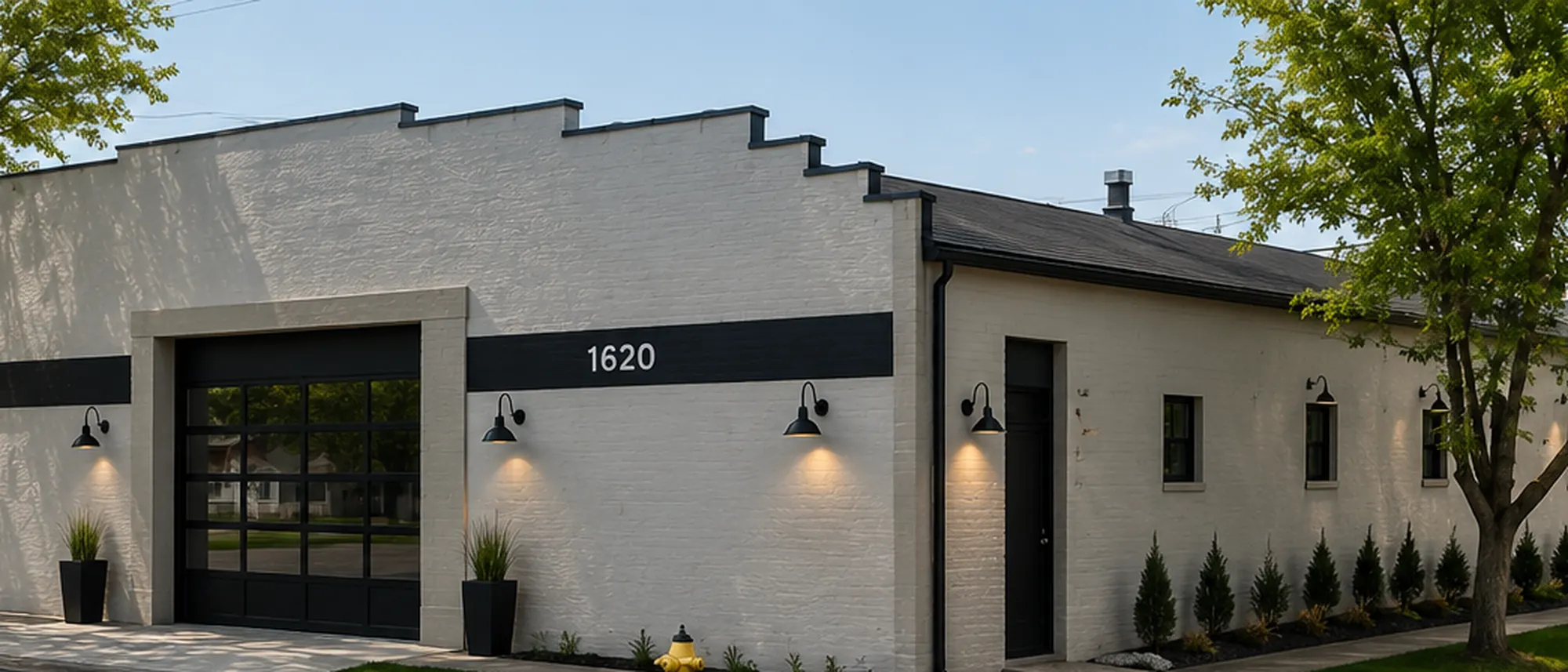
Industrial
1620 13th Street
Racine, Wisconsin
A vacant industrial building brought back to leasable condition without over-capitalizing it.
Overview
The project at a glance
What it is
A single-story industrial building on the near north side of Racine, acquired vacant. The structure and envelope were sound; the building's presentation and deferred maintenance were not.
Why it mattered
Small-bay industrial space in the corridor rarely trades. Most of it is held by long-tenured owner-operators, so opportunities arrive through relationships rather than the open market.
Our role
ConceptOne acquired the asset directly and directed the repositioning itself — scope, contractors and schedule — before bringing it to lease.
The opportunity
What we saw that others did not price
What we identified
An off-market building whose condition discouraged competing interest, while the elements that actually constrain industrial use — structure, clear height, access — remained intact.
Why it was attractive
Local demand in the corridor comes from operators who need storage and light assembly space. Those tenants compare against other existing buildings, not against new construction.
Investment thesis
Buy on condition rather than on market timing, spend only where a tenant or a lender will notice, and hold. The gap between a neglected building and a leasable one is usually cosmetic, and that gap is where the value sits.
Execution
How the work was carried out
The scope was deliberately narrow. The objective was a clean, well-lit, obviously maintained building — not a new one.
Acquisition
Acquired directly from the owner through a locally negotiated purchase. Title, survey and municipal matters were cleared before closing through Wisconsin counsel.
Repositioning
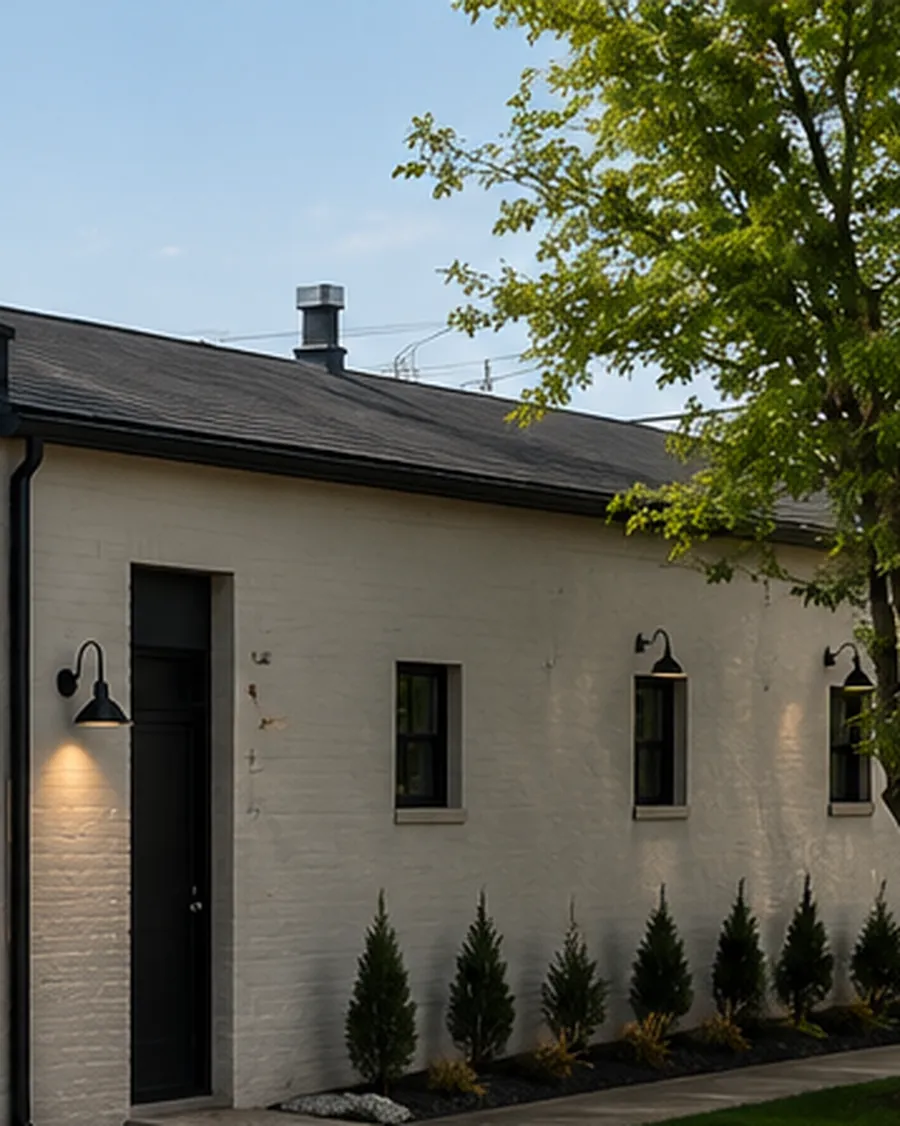
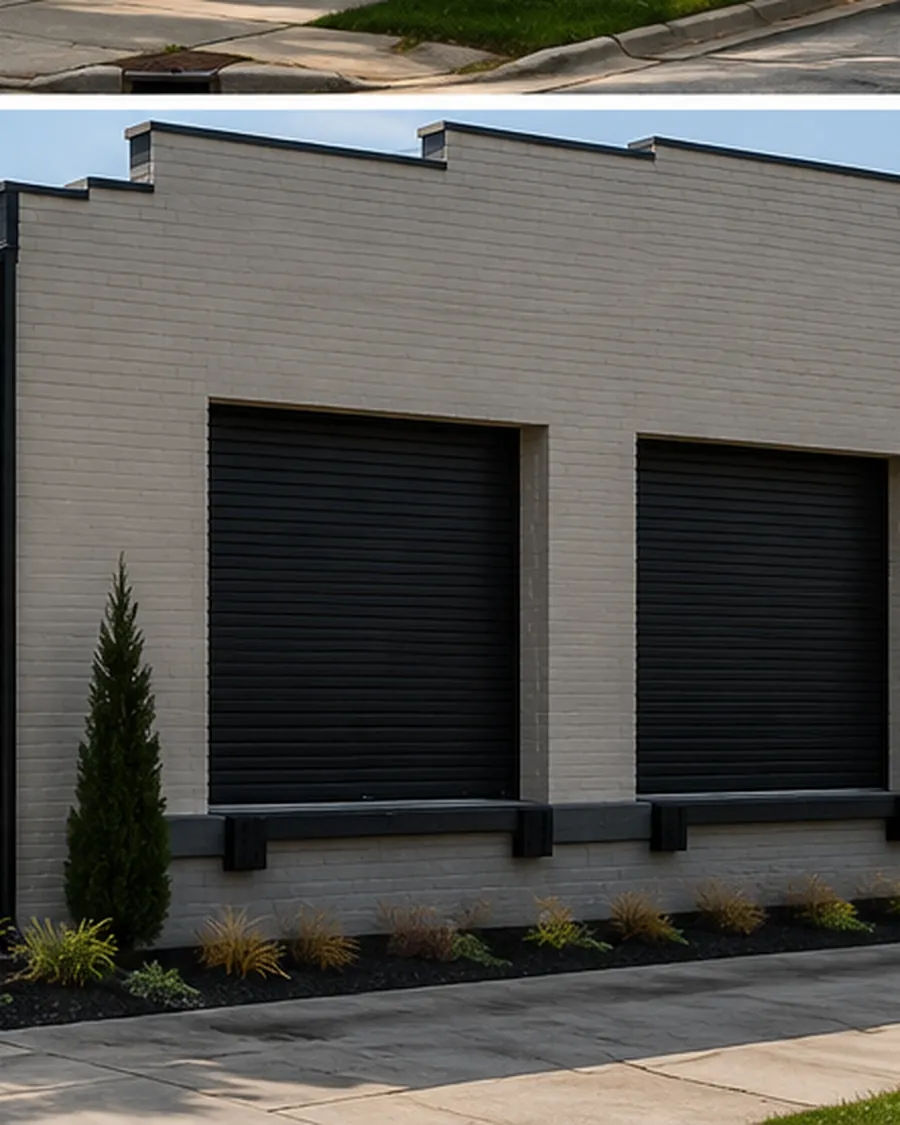
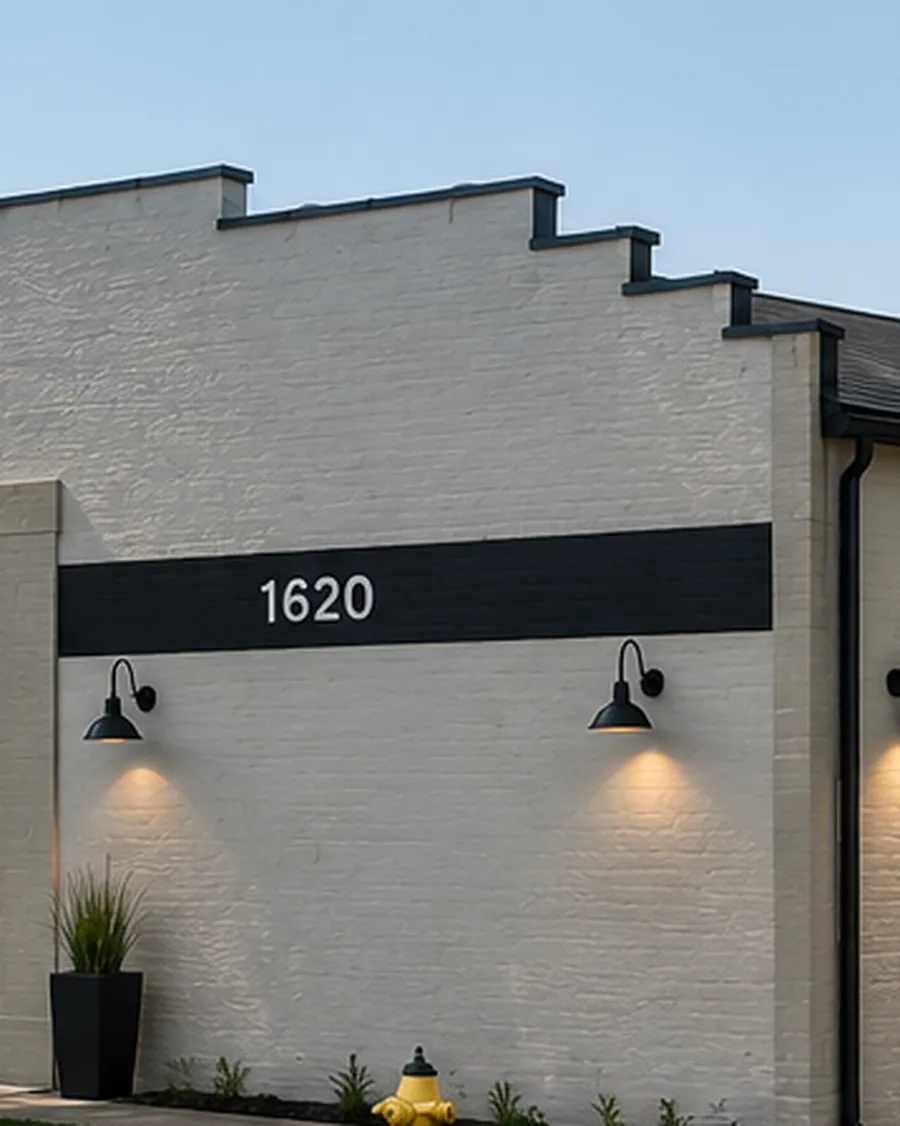
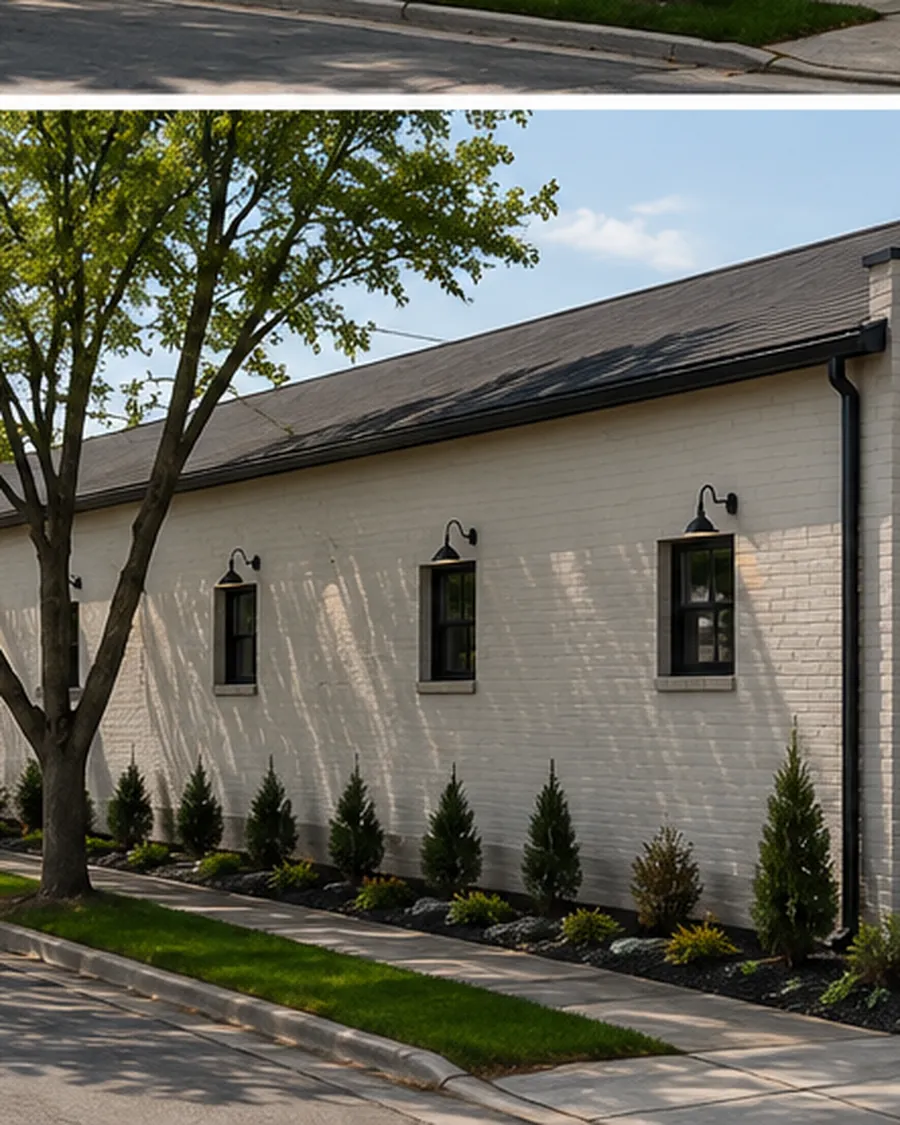
Exterior cleanup, modern overhead doors, improved lighting and landscaping. Every item was chosen because it changes how the building reads from the street or how it functions for a tenant.
Project management
ConceptOne held the scope and the schedule directly rather than delegating to a general contractor — one point of accountability from first walkthrough to punch list.
Capital improvements
Work was confined to the building envelope, entry and site. No speculative interior build-out was undertaken ahead of a tenant.
Operational strategy
Held for long-term income rather than resale. The building is maintained to a standard that supports renewal rather than turnover.
Gallery
Gallery
Timeline
Where the asset stands
- Complete
Acquisition
Purchased directly from the owner, vacant, with title and municipal matters cleared before closing.
- Complete
Repositioning
Exterior and envelope scope completed: doors, lighting, cleanup and landscaping.
- In progress
Stabilization
Bringing the building to a stable, occupied condition at a rent supported by comparable small-bay space in the corridor.
- Ongoing
Operations
Held and maintained for long-term income, with capital planning rather than reactive repairs.
Value creation
Where the value came from
The value in this project came from how it was bought and how tightly the scope was held — not from a market move.
Bought on condition
A building that looks tired attracts less competition than the same building cleaned up. That difference is the entry point.
Scope held to what shows
Doors, lighting, signage and landscaping change both first impression and function. Speculative interior work ahead of a tenant does not.
One point of accountability
Directing the work rather than handing it off keeps the schedule honest and the change orders few.
Held, not flipped
The asset is underwritten as a long-term hold, so decisions favor durability over a quick cosmetic win.
Figures are not published for this project. ConceptOne can provide project-specific information directly on request.